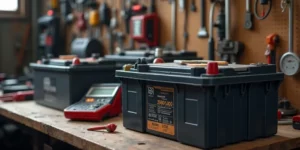

To determine if the solenoid on your electric golf cart is bad, there are a few key indicators to look out for. Firstly, if your golf cart is not starting or is experiencing intermittent starting issues, this could be a sign of a faulty solenoid.
Additionally, if you hear a clicking sound when you try to start the cart, this may also indicate a problem with the solenoid. Another common symptom of a bad solenoid is if the cart is running sluggishly or lacks power when accelerating. To further diagnose the issue, you can perform a visual inspection of the solenoid for any signs of corrosion, damage, or loose connections.
Testing the solenoid with a multimeter can also help determine if it is functioning properly. If after these checks you suspect that the solenoid is indeed faulty, it is recommended to replace it with a new one to ensure the proper functioning of your electric golf cart.

What are signs of a bad solenoid on an electric golf cart?

Signs of a bad solenoid on an electric golf cart can include a variety of symptoms that indicate a malfunction in this crucial component. One common sign is the carts ‘ inability to start or move when the accelerator is pressed.
This can be due to the solenoid failing to engage and allow the flow of electricity to the motor. Another indicator of a bad solenoid is a clicking sound when attempting to start the cart, which suggests that the solenoid is not making a proper connection.
Additionally, if the cart experiences intermittent power loss or jerky movements while driving, it could be a sign of a faulty solenoid. It is important to address these issues promptly, as a bad solenoid can lead to further damage to the cart’s electrical system if left unchecked.
In some cases, visual inspection of the solenoid may reveal signs of corrosion, burning, or other damage, indicating the need for replacement. Regular maintenance and inspection of the solenoid can help prevent these issues and ensure the smooth operation of your electric golf cart.

How can I diagnose a faulty solenoid on my golf cart?

Diagnosing a faulty solenoid on your golf cart can be done by following a few simple steps. First, start by checking the battery to ensure it is fully charged and in good condition. Next, inspect the wiring connections to the solenoid to make sure they are secure and free of any corrosion.
If everything looks good so far, you can then test the solenoid by using a multimeter to check for continuity. If the solenoid does not show any continuity, it may be faulty and in need of replacement. Additionally, you can also listen for a clicking sound when you turn the key to start the golf cart, as this is a common sign of a malfunctioning solenoid.
If you are still unsure, it may be best to consult a professional mechanic who can further diagnose the issue and recommend the appropriate course of action. By following these steps, you can effectively diagnose a faulty solenoid on your golf cart and ensure that it is running smoothly once again.
What symptoms indicate a problematic solenoid in a golf cart?

Symptoms that indicate a problematic solenoid in a golf cart include issues with starting the vehicle, such as the cart not moving or making a clicking sound when attempting to start. Another common symptom is the golf cart not moving forward or backward, even though the motor is running.
This could be a sign that the solenoid is not engaging properly to allow power to flow to the motor. Additionally, if the golf cart suddenly stops while in motion or experiences jerky movements, it could be due to a faulty solenoid interrupting the power supply to the motor.
It is also important to check for any burning smells or smoke coming from the solenoid, as this could indicate an overheating issue. If any of these symptoms are present, it is recommended to have the solenoid inspected and potentially replaced by a professional to ensure the safe and efficient operation of the golf cart.
How to test a solenoid on an electric golf cart for issues?

To test a solenoid on an electric golf cart for issues, you will need a multimeter to measure the continuity of the solenoid. Start by disconnecting the battery to ensure safety. Then, locate the solenoid, which is typically found near the golf cart’s controller.
Use the multimeter to check for continuity between the two large terminals on the solenoid. If there is no continuity, the solenoid may be faulty and in need of replacement. Additionally, check for any signs of physical damage or corrosion on the solenoid, as this can also indicate a problem.
It is also important to inspect the wiring connected to the solenoid for any loose connections or frayed wires. If everything appears to be in good condition, you can also test the solenoid by applying power to the small terminals to see if it clicks and engages properly.
By following these steps, you can effectively test a solenoid on an electric golf cart for any potential issues that may be affecting its performance.
What does a golf cart solenoid do?

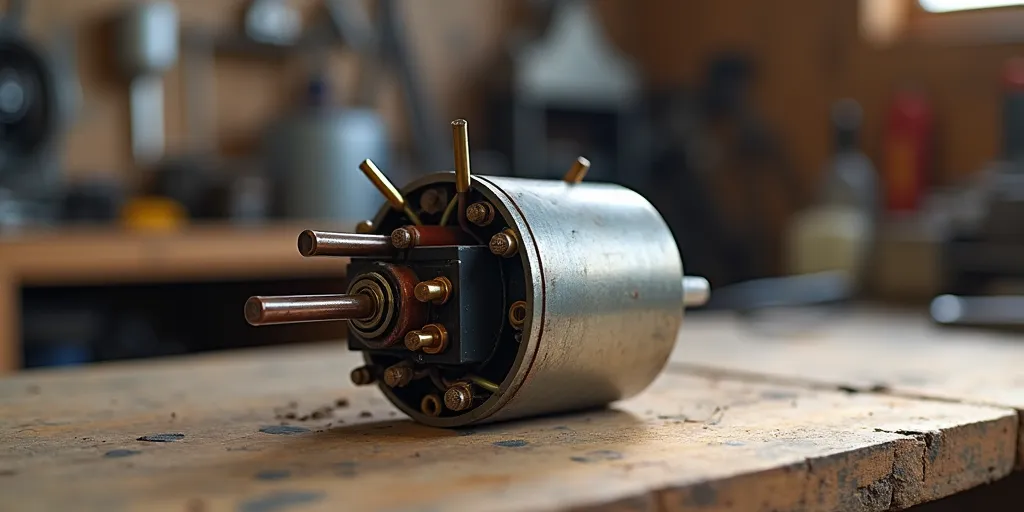
A golf cart solenoid is the heavy switch under the seat that lets pack power reach the controller when you press the pedal. It is not the motor and it is not the controller. It is the gate between the batteries and the rest of the drive.
When you turn the key and press the pedal, a small current hits a coil inside that can. The coil pulls two large contacts together, and the heavy current from the pack can then flow.
If those contacts stay open, the cart stays still even though the key is on. If they weld shut, the cart can lurch as soon as the key is turned, because the gate is stuck closed.
Overall, the solenoid is the part that either passes pack power or holds it back, and that is its whole job.
What does a click from the solenoid mean?

A click from the solenoid means the small coil has pulled. It does not by itself mean the cart will move. The click is only the sound of that gate trying to close, and you hear it from under the seat when the pedal is pressed.
If you hear a click and the cart stays still, the large contacts may be burned so they no longer pass the heavy current. If you hear no click at all, the coil is not being fed, which can be the solenoid, a low battery, or a switch in the pedal circuit.
A weak pack can make the same silence, which is why a diagnose starts with the batteries. The click only tells you the coil moved. It does not finish the test.
However, a solenoid that clicks on some presses and not on others is already failing, even if the cart still moves now and then.
Where is the solenoid on an electric golf cart?

The solenoid on an electric golf cart sits under the seat, near the controller, on the heavy cables that leave the battery pack. It is a small metal can with two large posts and two small ones, and that is the part you are looking for once the seat is up.
You find it by following the thick battery cables, not the thin pedal wires. The large posts take the pack current. The small posts take the signal from the key and the pedal.
Club Car carts use this same layout, and so do EZGO and Yamaha carts. The bracket and the plugs change. The can is still under the seat on those makes.
Isolate the pack before you undo a cable. A technician can point to the can in a minute once the seat is up.
Is the test the same on every cart?

The test is not the same writeup on every golf cart you will meet. People look for a Yamaha test and a Club Car test because the plug, the pack voltage, and the bracket differ from one make to the next, and EZGO searches show the same split.
The idea behind the test is the same. You are asking whether the coil clicks and whether the large posts pass current when it does. A note written for a Club Car will not drop onto a Yamaha, and the same is true the other way around.
It is important to stay with the cart you actually have. A technician who knows that make can run the meter without opening the controller.
A Yamaha search and a Club Car search are still this same job, just on a different harness.
How is a golf cart solenoid replaced?

A golf cart solenoid is replaced by fitting a new can of the same voltage and the same post layout, with the pack isolated and the cables marked so they return to the same posts. The work looks simple and still carries a spark risk, so a qualified technician should do it if there is any doubt.
The hold-down comes off, the small wires come off with a note of which post they sat on, and then the large cables. The new solenoid goes on the same bracket.
Finally the pack is reconnected and the pedal is pressed once. A clean click and a cart that moves is the result you want.
A replacement is a swap of that switch, not a repair of the coil inside it, and the old can is discarded.