


Using a golf cart in sub-freezing temperatures poses several risks that should be taken into consideration. One of the main concerns is the effect of cold weather on the battery of the golf cart. Low temperatures can cause the battery to lose its charge more quickly, leading to potential breakdowns or malfunctions.
Additionally, the cold weather can also affect the performance of the tires, making them less flexible and more prone to punctures or blowouts. Another risk to consider is the impact of icy or snowy conditions on the stability and control of the golf cart.
Slippery surfaces can increase the likelihood of accidents or collisions, especially if the cart is being driven at high speeds. Furthermore, prolonged exposure to cold temperatures can also be uncomfortable and potentially dangerous for passengers, especially if they are not properly dressed for the weather.
Overall, it is important to exercise caution and take necessary precautions when using a golf cart in sub-freezing temperatures to ensure the safety and well-being of both the passengers and the vehicle.
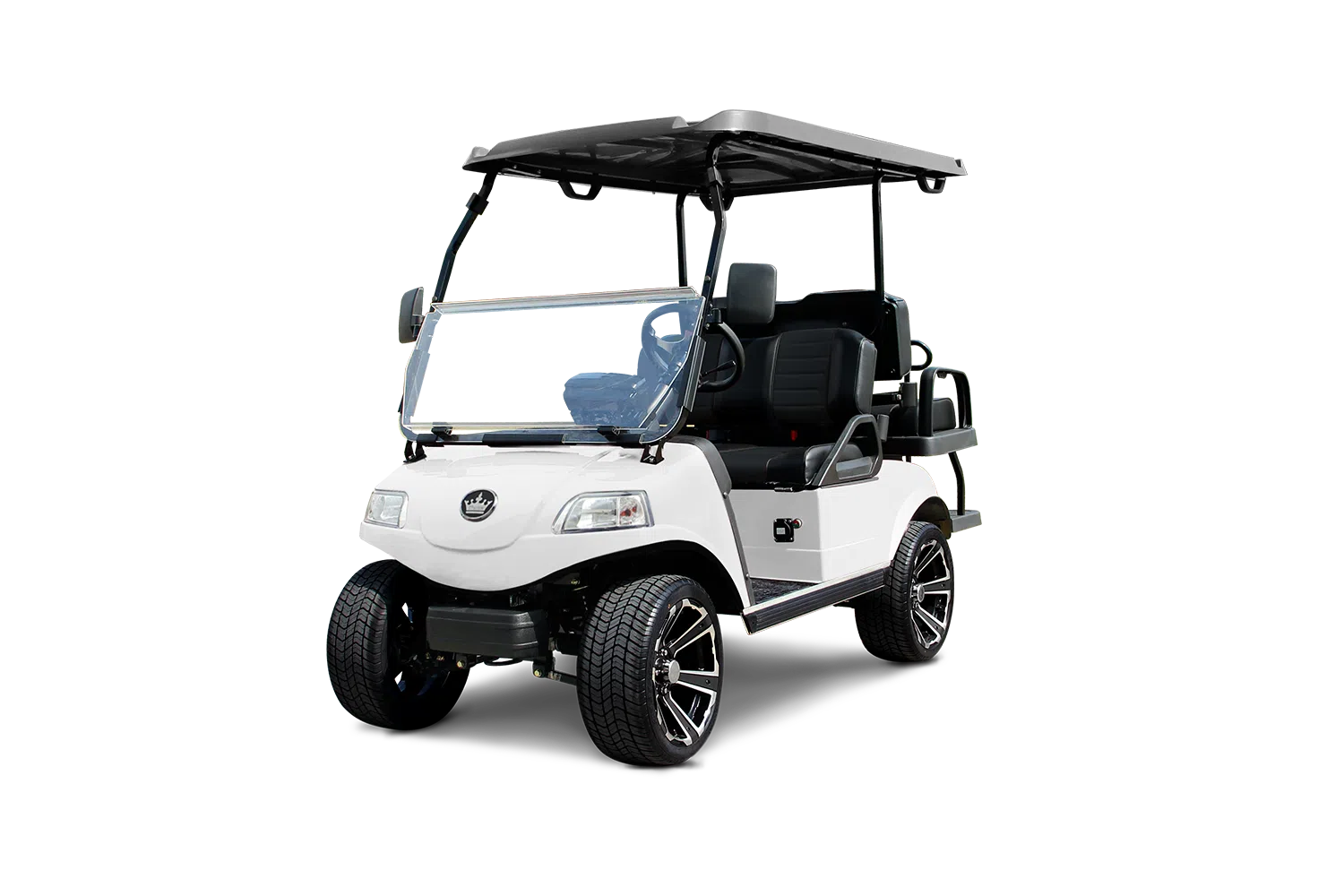
How does cold weather affect a golf cart’s battery?

Cold weather can have a significant impact on a golf cart’s battery performance. When temperatures drop, the chemical reactions within the battery slow down, reducing its overall efficiency.
This can lead to a decrease in the battery’s capacity and a shorter runtime for the golf cart. In extreme cold conditions, the battery may even freeze, causing permanent damage and rendering it unusable. It is important to keep the battery fully charged during cold weather to prevent it from losing power more quickly.
Additionally, storing the golf cart in a warm environment when not in use can help maintain the battery’s performance. Some golf cart owners choose to use battery blankets or insulation to help protect the battery from the cold.
Overall, cold weather can have a negative impact on a golf cart’s battery, so it is important to take precautions to ensure that the battery remains in good condition and the golf cart continues to operate efficiently during the winter months.

What dangers do icy conditions pose to golf cart stability?

Icy conditions pose several dangers to golf cart stability. Firstly, the slick surface created by ice can cause the tires of the golf cart to lose traction, leading to a loss of control and potential accidents. This lack of traction can make it difficult to steer or brake effectively, increasing the risk of skidding or sliding on the ice.
Additionally, the weight distribution of a golf cart can be affected by icy conditions, as the added weight of ice and snow can shift the center of gravity, making the cart more prone to tipping over.
Furthermore, icy conditions can also impact the braking system of the golf cart, as ice can build up on the brake pads and reduce their effectiveness, resulting in longer stopping distances and a higher likelihood of collisions. Overall, icy conditions present a significant threat to golf cart stability, requiring caution and proper maintenance to ensure the safety of both the driver and passengers.
Why is it important to consider tire performance in sub-freezing temps?

It is important to consider tire performance in sub-freezing temperatures for several reasons. First and foremost, the rubber compounds used in tires can harden in cold temperatures, leading to decreased traction and grip on icy or snowy roads. This can increase the risk of accidents and make it more difficult to control your vehicle.
Additionally, cold temperatures can also affect tire pressure, causing it to drop and potentially leading to underinflated tires, which can further compromise handling and fuel efficiency.
By choosing tires specifically designed for cold weather conditions, such as winter or all-season tires, you can improve traction, braking, and overall performance in sub-freezing temperatures. These tires are made with special rubber compounds that remain flexible in cold weather, as well as tread patterns that are designed to provide better grip on slippery surfaces.
Ultimately, considering tire performance in sub-freezing temperatures is crucial for ensuring your safety and the safety of others on the road during the winter months.
What precautions should be taken for passenger safety in cold weather?

Passenger safety in cold weather is of utmost importance, and there are several precautions that should be taken to ensure the well-being of all individuals on board. Firstly, it is essential to dress appropriately for the weather by wearing layers, a hat, gloves, and a scarf to stay warm.
Additionally, passengers should be reminded to keep their seatbelts fastened at all times, as icy roads can lead to sudden stops or accidents. It is also crucial for drivers to maintain a safe distance from other vehicles and to drive at a slower speed to prevent skidding on icy roads.
Furthermore, vehicles should be equipped with emergency supplies such as blankets, water, snacks, and a first aid kit in case of any unforeseen circumstances. Regular maintenance checks on the vehicle’s heating system, tires, brakes, and battery are also necessary to ensure safe travel in cold weather conditions.
By following these precautions, passengers can minimize the risks associated with traveling in cold weather and ensure a safe and comfortable journey.

